Diagnosing The Two Types of Sleep Apnea | Stuart, FL
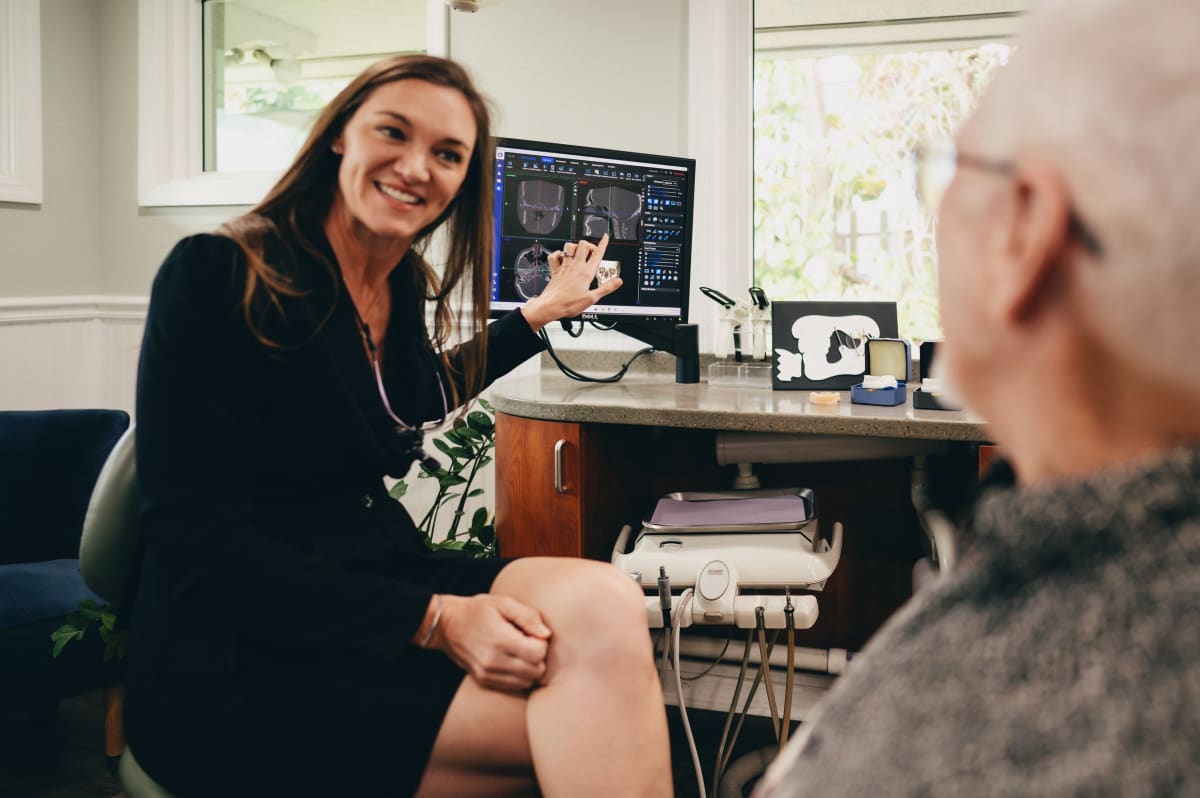

Understanding the Differences Between Sleep Apnea Types
You may wake up tired despite getting a full night's sleep. Maybe someone has noticed that you snore, gasp, or seem to stop breathing while you're asleep. You might also experience morning headaches, trouble concentrating, or daytime fatigue.
These symptoms can have several causes, but they can also be signs of sleep apnea. If you're starting to look into it, one important thing to understand is that there are different types of sleep apnea, and they don't all happen for the same reason.
The two primary types are obstructive sleep apnea (OSA) and central sleep apnea (CSA). OSA involves a physical narrowing or blockage of the airway, while CSA occurs when the brain temporarily fails to send the signals needed to control breathing.
Understanding the difference can help you know what kind of evaluation and treatment may be appropriate.
At Aesthetic Dentistry of Stuart, Dr. Crary, Dr. Viego, Dr. Bogle, and our team help people understand where dental care may fit into the evaluation and treatment of sleep-related breathing concerns.
Key Takeaways
- There are different types of sleep apnea: OSA involves airway obstruction, while CSA involves disrupted breathing signals from the brain.
- Symptoms alone can't diagnose sleep apnea: A sleep study and appropriate clinical evaluation are typically needed.
- OSA can involve oral and jaw anatomy: The position of the jaw, tongue, and surrounding structures can affect the airway.
- Oral appliances are primarily used for OSA: They help support an open airway but do not treat the underlying mechanism of central sleep apnea.
- The right treatment depends on the diagnosis: Understanding what is causing the breathing interruptions is an important first step.
What Is Obstructive Sleep Apnea?
Obstructive sleep apnea, or OSA, is the most common type of sleep apnea. It occurs when the upper airway becomes partially or completely blocked during sleep.
As the muscles and tissues around the airway relax, the passage can become too narrow for air to move normally. Breathing may become restricted or stop temporarily, causing the brain to briefly bring you into a lighter stage of sleep so you can resume breathing.
These interruptions can happen repeatedly throughout the night, sometimes without you ever realizing you're waking up.
What Can Contribute to OSA?
There isn't one single cause of obstructive sleep apnea. Factors that can affect airway stability include:
- Jaw size and position
- Tongue size and position
- The anatomy of the throat and surrounding tissues
- Nasal obstruction
- Excess body weight
- Age-related changes in muscle tone
- Other anatomical characteristics
Some of these factors involve structures that a dentist can evaluate, which is one reason dental professionals with training in sleep-related breathing disorders can play a role in OSA care.
What Are the Signs of Obstructive Sleep Apnea?
Not everyone with sleep apnea wakes up feeling like they couldn't breathe. Sometimes the signs are more subtle.
Common symptoms can include:
- Loud or frequent snoring
- Gasping or choking during sleep
- Pauses in breathing noticed by someone else
- Dry mouth or sore throat in the morning
- Morning headaches
- Daytime fatigue or sleepiness
- Difficulty concentrating
- Irritability or mood changes
- Waking frequently during the night
- Teeth grinding or clenching during sleep
These symptoms don't necessarily mean you have sleep apnea. They can have other causes, which is why persistent concerns should be evaluated rather than self-diagnosed.
What Is Central Sleep Apnea?
Central sleep apnea is different from OSA because the airway isn't necessarily blocked. Instead, the problem involves the signals between the brain and the muscles responsible for breathing.
During a central sleep apnea event, the brain temporarily fails to send the appropriate signal to breathe. Breathing may therefore stop or become significantly reduced without a physical obstruction closing the airway.
Central sleep apnea is less common than OSA and can be associated with certain medical conditions, medications, neurological disorders, or other factors. There are also different forms of central sleep apnea, so identifying the underlying cause is an important part of treatment.
Obstructive vs. Central Sleep Apnea
The main difference comes down to what is disrupting breathing.
- Obstructive sleep apnea: The airway becomes narrowed or blocked during sleep. Oral and jaw anatomy can contribute to this type of sleep apnea.
- Central sleep apnea: The brain temporarily fails to send the signals needed to maintain normal breathing. The airway itself isn't necessarily blocked.
Both conditions can interrupt sleep and breathing, but they require different approaches to evaluation and treatment.
Why the Type of Sleep Apnea Matters
Once you suspect sleep apnea, it can be tempting to start looking for a treatment right away. But treatment needs to address the reason breathing is being disrupted.
For some people with obstructive sleep apnea, a custom oral appliance may be an appropriate treatment option. These appliances are designed to help maintain an open airway, often by repositioning the lower jaw during sleep. Oral appliances can also be combined with the Quiet Nite CO2 laser procedure and myofunctional therapy to treat tissues in the mouth and throat that can contribute to airway restriction.
Oral appliances do not address the underlying mechanism of central sleep apnea because CSA isn't caused by the jaw physically blocking the airway. That's why getting an appropriate diagnosis comes first.
How Is Sleep Apnea Diagnosed?

Symptoms can suggest that something is affecting your sleep, but they aren't enough to determine whether you have sleep apnea or which type you have.
A sleep study, also called a sleep test, is generally used to evaluate sleep-disordered breathing. Depending on your circumstances, this may be performed at a sleep center or with a home sleep apnea test.
A sleep study can provide information about your breathing patterns, oxygen levels, heart rate, and the frequency of breathing disruptions throughout the night. A qualified physician or sleep professional can then interpret the results and determine whether sleep apnea is present.
Where Does a Dentist Fit Into Sleep Apnea Care?
If diagnosis typically involves a sleep study, you may wonder where a dentist fits into the process.
For obstructive sleep apnea, the answer is partly anatomy. Dentists work with the teeth, jaws, tongue, and surrounding oral structures that can influence the upper airway.
A dentist with training in sleep-related breathing disorders may evaluate:
- Jaw position and the relationship between the upper and lower jaws
- Tongue and palate anatomy
- Dental wear associated with grinding or clenching
- Oral and facial structures that may affect the airway
- Signs that may warrant further sleep evaluation
A dental evaluation does not replace a medical or sleep evaluation. Instead, it can be one part of a broader approach to understanding and managing obstructive sleep apnea.
How Oral Appliance Therapy Works
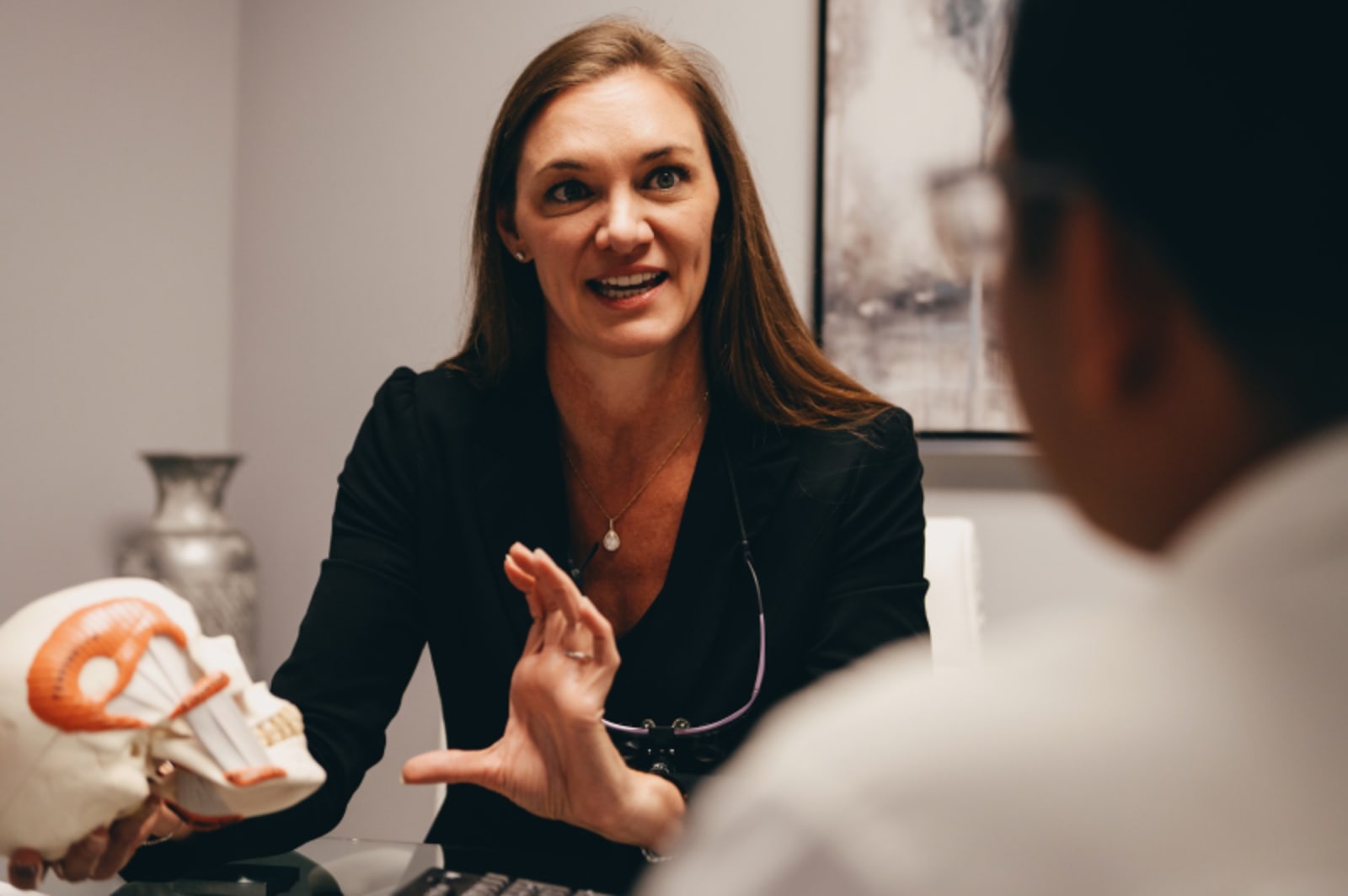
For people with appropriate forms of obstructive sleep apnea, an oral appliance may be one treatment option.
The custom device is worn during sleep and designed to help maintain an open airway by changing the position of the jaw and surrounding structures. Unlike an over-the-counter mouthguard or generic anti-snoring device, a prescription oral appliance is selected and fitted based on the individual's needs and diagnosis.
Oral appliance therapy may be considered for some people with mild to moderate OSA, for people who cannot tolerate CPAP, or in other situations where it is medically appropriate.
Whether an oral appliance is right for you depends on your diagnosis, anatomy, and overall treatment needs.
You Don't Have to Figure It Out on Your Own
If you're snoring regularly, waking up tired, or wondering whether sleep apnea could be affecting your sleep, we'd be happy to help you take the next step.
At Aesthetic Dentistry of Stuart, we can evaluate your oral and jaw anatomy, discuss your symptoms, and help determine whether dental sleep care may be appropriate for you. Contact our Stuart office to schedule a consultation and start the conversation about better sleep.
Connect WITH US
We look forward to meeting you. Call (772) 463-4026 or request an appointment online to set up your first visit. We’ll be in touch soon.
