Dental Solutions for Sleep Apnea: What Dentists Can Do to Help
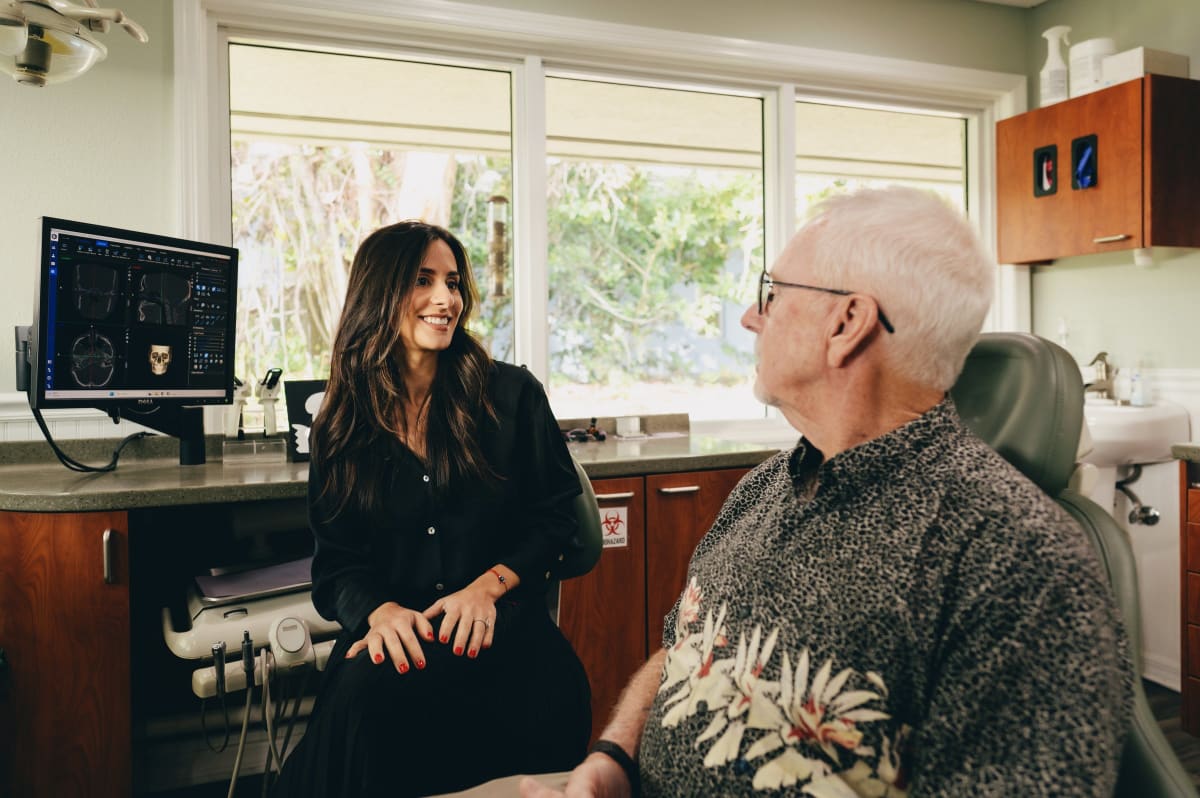

Dental Solutions for Sleep Apnea: What Dentists Can Do to Help
If you've been diagnosed with obstructive sleep apnea or you've struggled to sleep comfortably with a CPAP machine, you may be wondering whether there's another option. For many people, the answer is yes.
Dentists play an important role in treating mild to moderate obstructive sleep apnea through custom oral appliance therapy. These small, comfortable devices gently reposition the jaw to help keep the airway open during sleep, offering an alternative for patients who cannot tolerate CPAP or are looking for a less cumbersome treatment. While oral appliances aren't appropriate for every case, they're a well-established, evidence-based option that many people don't realize exists.
At Aesthetic Dentistry of Stuart, our team takes a comprehensive approach to airway health, recognizing the connection between the teeth, jaw, muscles, and breathing. Our treatments include oral appliances, the Quiet Nite CO2 laser procedure, and myofunctional therapy, often used in combination to treat tissues in the mouth and throat that can contribute to airway restriction.
Continue reading to learn what causes sleep apnea, how it's diagnosed, when oral appliance therapy may be appropriate, and how dental treatment works alongside your physician to improve sleep and overall health.
Quick Overview
- Obstructive sleep apnea occurs when the airway repeatedly collapses during sleep, reducing oxygen and disrupting restful sleep.
- Dentists can treat many cases of mild to moderate obstructive sleep apnea with custom oral appliances that help keep the airway open throughout the night.
- Oral appliance therapy is often recommended for people who cannot tolerate CPAP or prefer a smaller, more portable treatment option.
- Successful treatment depends on collaboration between your physician and your dentist, ensuring your sleep apnea is properly diagnosed and monitored.
- Because airway health is closely connected to jaw position and oral function, treatment may also involve considerations such as TMD, myofunctional therapy, and the Quiet Nite CO2 laser procedure to treat tissues in the mouth and throat that can contribute to airway restriction.
- Addressing sleep apnea can improve sleep quality while reducing the long-term health risks associated with untreated airway obstruction.
Understanding Sleep Apnea: The Basics Every Patient Should Know
Sleep apnea is one of those conditions that can quietly chip away at your health for years before anyone connects the dots. If you've been writing off loud snoring, waking up wiped out after a full night in bed, or reaching for coffee before you've managed a sentence, it's worth knowing what might really be going on.
There are two main types, and the difference matters:
- Central sleep apnea starts in the brain, which intermittently stops sending the right signals to your breathing muscles.
- Obstructive sleep apnea is far more common, and it's the type dental care can actually help with. Here, the soft tissues at the back of your throat relax too much during sleep and partly or fully block the airway. Your body senses the drop in oxygen, nudges you just enough to start breathing again, and the cycle repeats, sometimes dozens of times an hour, without you ever fully waking or remembering it.
Because those interruptions are so brief, most people have no idea they're happening. What they notice are the side effects:
- Loud or frequent snoring
- Waking with a dry mouth or sore throat
- Morning headaches
- Trouble concentrating during the day
- Daytime fatigue that doesn't lift no matter how long you sleep
- Mood swings or a shorter fuse than usual
Plenty of people go years without a diagnosis. The symptoms arrive gradually, and it's easy to blame stress, age, or a packed schedule. If any of this sounds familiar, that's reason enough to look closer.
What Causes Sleep Apnea? The Anatomy and Risk Factors Behind It
Obstructive sleep apnea comes down to one thing: the airway can't stay open while you sleep. Why that happens varies from person to person, and it's usually a mix of anatomy and lifestyle rather than a single cause.
Think of your upper airway as a soft tube held open by muscle tone. When you drift off, that muscle tone drops. Whether the tube stays open or partly collapses depends a lot on the structures around it: the position of your lower jaw, the size of your tongue, the shape of your palate, and how much soft tissue crowds the back of your throat. Some people are simply built with a narrower airway, which is why apnea can run in families and can show up even in people who are fit and slim.
Other factors raise the odds, including:
- Excess weight, which adds tissue around the neck and airway
- Age, as muscle tone naturally softens over time
- Being male, though the risk for women rises after menopause
- Alcohol or sedatives near bedtime, which relax airway muscles further
- Nasal congestion or chronic sinus issues that force mouth breathing
- Enlarged tonsils or adenoids, a common factor in children
- A jaw set back from where it would ideally sit, which leaves less room for the tongue
Understanding your particular mix matters, because it shapes which treatment is likely to help. Someone whose apnea is driven mostly by jaw and tongue position may respond beautifully to an oral appliance, while someone with severe obstruction from other causes may need a different path.
How Sleep Apnea Is Diagnosed: Sleep Studies and Screening Tools
Here's a point worth being clear about: a dentist does not diagnose sleep apnea. That's a medical diagnosis, and it requires a physician and a sleep study. Knowing how that process works helps you move forward with less guesswork.
Diagnosis usually starts with a screening questionnaire and a conversation about your symptoms and risk factors. From there, your physician orders a sleep study, which comes in two main forms:
- In-lab sleep study (polysomnography). You spend a night at a sleep center wearing sensors that track brain activity, breathing, oxygen levels, heart rate, and movement. It's the most detailed test and is often used for complex or severe cases.
- Home sleep test. A smaller device you wear in your own bed for a night or two. Modern home tests, including wrist-worn options like the WatchPAT, have made screening far more convenient, and for straightforward cases they give physicians the data they need without a lab visit.
However the data is gathered, it gets distilled into a severity score, the AHI, or apnea-hypopnea index, which counts how many times an hour your breathing stops or grows shallow. Roughly speaking, mild apnea falls in the lower range, moderate in the middle, and severe at the high end. That number guides which treatments make sense.
Oral appliance therapy, for instance, is most commonly recommended for mild to moderate scores, which is exactly why a confirmed diagnosis has to come first. Once you have that diagnosis in hand, our team can talk through whether an oral appliance, the Quiet Nite CO2 laser procedure, myofunctional therapy, or a combination of these approaches is a good fit.
Why Dentists Are Involved in Sleep Apnea Treatment
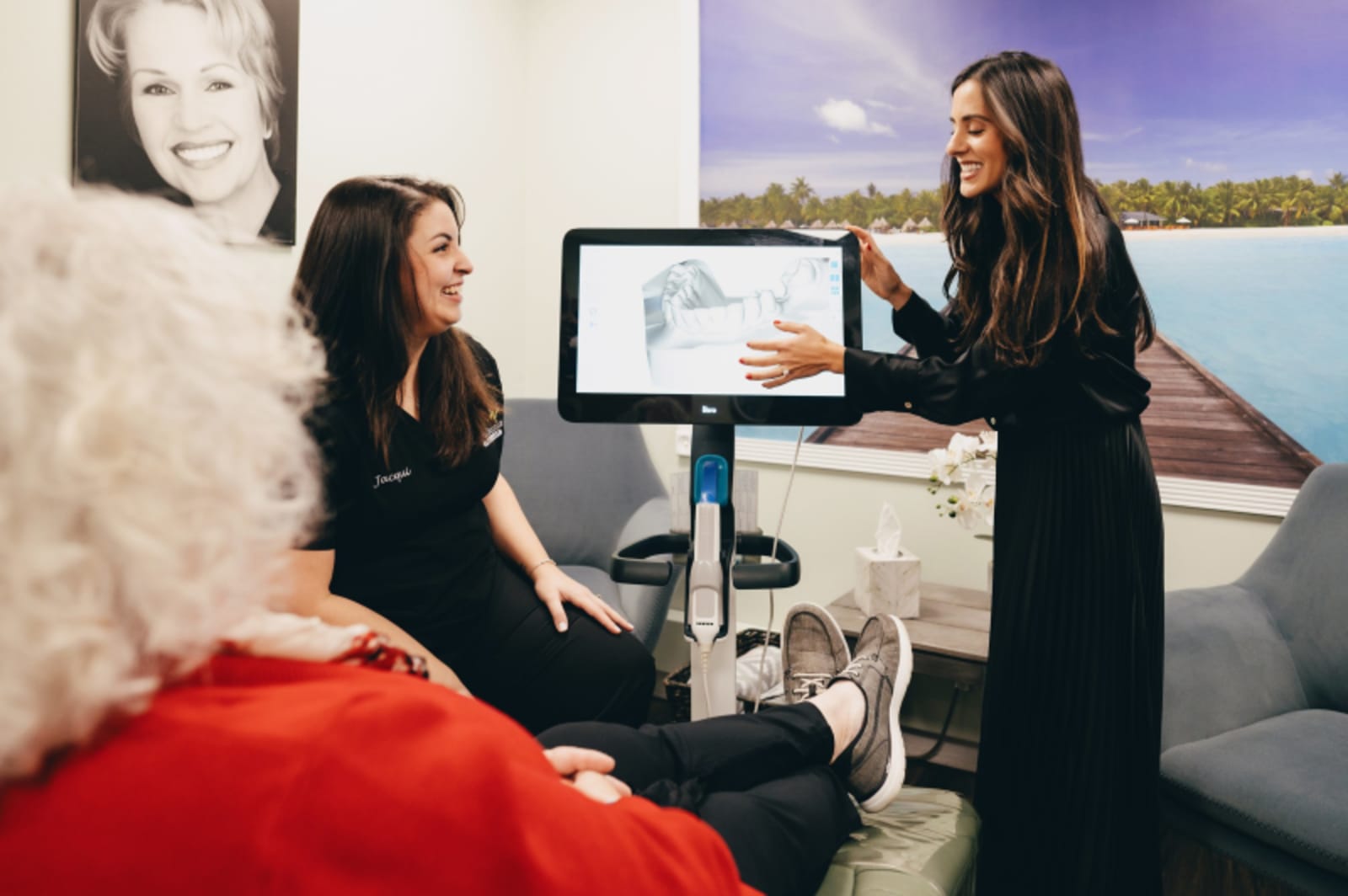
Once the symptoms start adding up, a lot of people are surprised to hear a dentist's name come up. It makes more sense once you remember where the airway begins: in the mouth.
Dentists trained in dental sleep medicine are taught to read the structures in and around the mouth and spot how they may be contributing to airway obstruction. That's a different skill set than a sleep physician brings, and the two complement each other.
The division of labor looks like this: your physician handles the diagnosis and the medical oversight. Your dental team handles the fit, the function, and the ongoing adjustments of an oral appliance once one is prescribed. We also use the Quiet Nite CO2 laser procedure, often combined with oral appliances and myofunctional therapy, to treat tissues in the mouth and throat that can contribute to airway restriction. Nobody works in isolation, and your records stay connected on both sides.
For us, this collaborative approach fits naturally with how we already practice comprehensive dentistry, working alongside your physician rather than treating the mouth as a separate compartment.
The Full Range of Sleep Apnea Treatment Options
Oral appliances are one path, not the only one. Seeing every recognized option helps you and your sleep physician choose well, so here's the full menu of approaches:
- CPAP (continuous positive airway pressure). A machine delivers a steady stream of pressurized air through a mask to splint the airway open. It's the gold standard for moderate to severe apnea and highly effective when used consistently.
- Oral appliance therapy. A custom dental device that holds the lower jaw slightly forward to keep the airway open. Most often used for mild to moderate apnea, or for people who can't tolerate CPAP.
- Quiet Nite CO₂ laser therapy. Performed in our office, Quiet Nite uses CO₂ laser technology to treat tissues in the mouth and throat that can contribute to airway restriction. It is often combined with an oral appliance and myofunctional therapy, creating a more comprehensive plan that addresses different factors affecting the airway.
- Surgery. A range of procedures, from removing excess throat tissue to repositioning the jaw, generally reserved for specific anatomical problems or cases that haven't responded to other treatments.
- Positional therapy. Some people only have apnea when sleeping on their back. Simple aids that keep you off your back can meaningfully reduce events in those cases.
- Lifestyle changes. Weight management, cutting alcohol before bed, treating nasal congestion, and improving sleep habits can ease apnea, often alongside another treatment rather than instead of it.
- Airway-focused and myofunctional approaches. Because jaw structure and breathing are closely linked, treatments like myofunctional therapy and TMJ therapy can play a supporting role for qualifying patients, addressing the underlying airway and jaw issues rather than just the symptoms.
- Newer medical options. Implanted nerve-stimulation devices exist for select patients who meet specific criteria, typically managed through a medical specialist.
None of these sleep apnea treatment options work the same way for everyone, and some people end up combining a couple of them for better results. The best plan is the one that controls your apnea and that you'll genuinely stick with night after night.
Oral Appliance Therapy: How It Works and Who It's For
An oral appliance is a small custom device you wear during sleep. It gently holds your lower jaw a touch forward, and that subtle shift keeps the airway open, heading off the collapse that causes apnea episodes and heavy snoring. It looks a bit like a mouthguard, but don't confuse it with the one-size version at the pharmacy.
Those generic guards aren't calibrated to your bite or the precise amount of jaw advancement you need. A prescription appliance is built around your anatomy, and that's what makes it work rather than just tolerate.
Getting fitted usually unfolds over a few steps:
- Digital scans or impressions of your teeth and bite, so the device matches you exactly
- Custom fabrication by a dental lab, which takes a couple of weeks
- A fitting appointment to confirm comfort and positioning
- Follow-up adjustments, since the right amount of jaw advancement gets dialed in over time rather than nailed on day one
As for candidacy, oral appliance therapy is generally recommended for mild to moderate obstructive sleep apnea. It's also a legitimate option for people with severe apnea who've tried CPAP and simply can't stick with it. That last point carries real weight: a treatment you actually wear every night beats one that gathers dust on the nightstand. Many patients find an appliance far easier to sleep with, and that difference in consistency is often what makes the therapy succeed.
Oral Appliances vs. CPAP: Choosing the Right Fit for Your Life
If you've already tried CPAP and started dreading bedtime because of it, you're in good company. Some people describe years of wrestling with masks, hoses, and pressure settings before they go looking for something else. That frustration is one of the most common reasons people call us.
So let's compare honestly. CPAP remains the most effective treatment for moderate to severe apnea, and for plenty of people it's the right long-term answer. The point isn't to talk anyone out of a treatment that's working. It's to make sure you have the facts so you and your sleep physician can decide together.
Where each tends to shine:
- Effectiveness: CPAP controls a wider range of severity, including the most severe cases. Oral appliances are excellent for mild to moderate apnea.
- Comfort and compliance: Many people find an appliance easier to live with, and reported nightly adherence rates tend to run higher for oral appliances than for CPAP.
- Travel and convenience: An appliance is small, quiet, and needs no power. CPAP means packing a machine.
- Bed partners: No motor hum with an appliance, which a partner often appreciates.
- Severity fit: A sleep physician confirming mild to moderate apnea makes an appliance a strong candidate.
Some people use both, an appliance for travel and CPAP at home, for example. That kind of flexibility is worth raising with your care team rather than assuming it has to be one or the other. The dentist's job in all this is to judge whether your jaw, bite, and airway make you a good candidate, fit the device precisely, and follow up to confirm it's working, in coordination with your physician. Because we treat the whole patient. Face, jaw, and airway.
What to Expect at a Dental Sleep Consultation
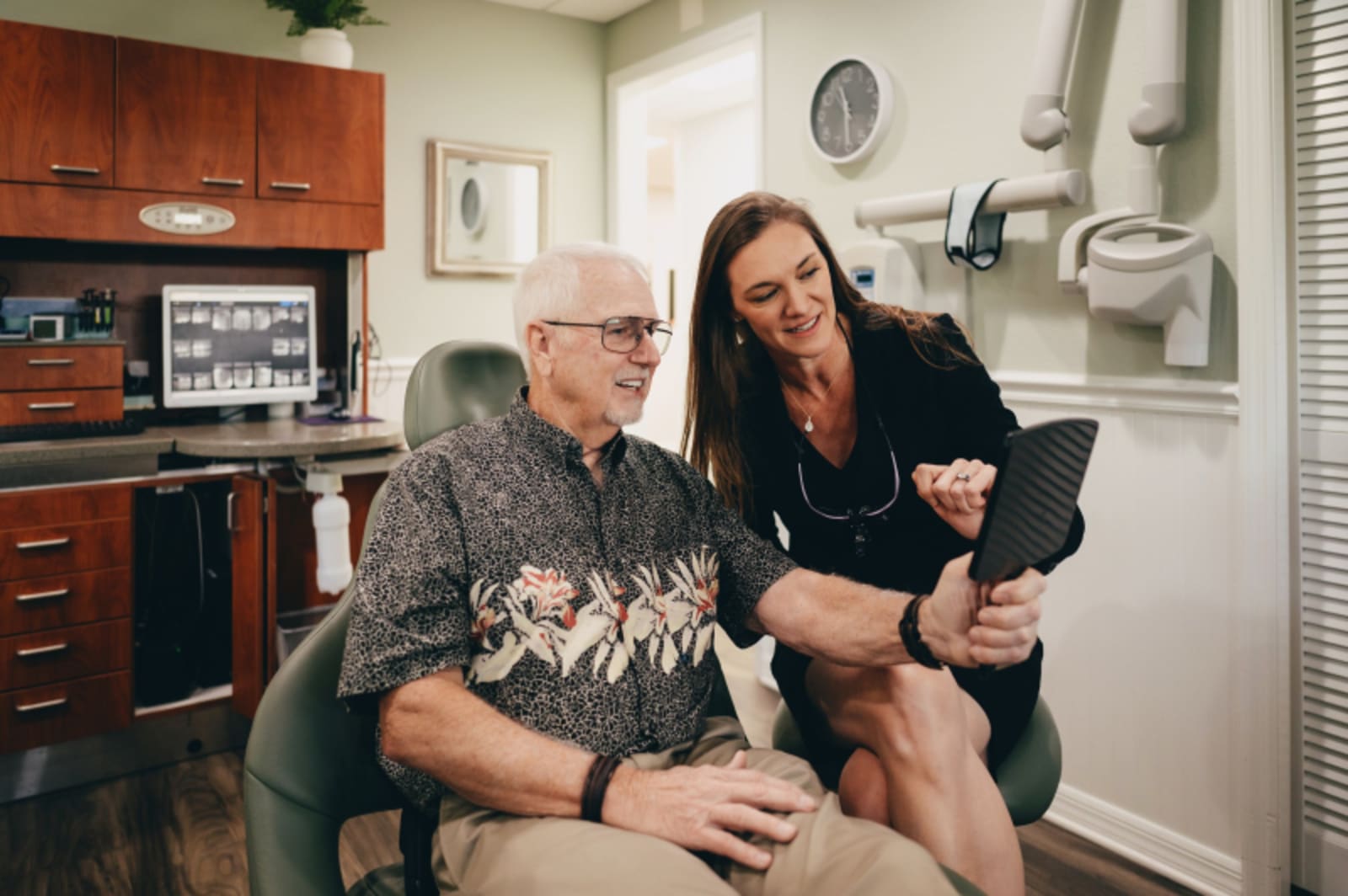
Understanding how your anatomy connects to your airway is one thing. Actually booking a consultation is another, and if you've been sitting with symptoms for months or years unsure where to turn, you're not alone. A consultation is a low-pressure starting point, not a commitment to a treatment plan.
A few things to know going in. If you've already had a sleep study, bring the results. A formal diagnosis is generally required before an oral appliance can be prescribed, because we need that medical foundation to guide treatment. Haven't had a study yet? That's fine. We can walk you through what it involves and help coordinate next steps with your physician.
During the visit, we'll take a close look at:
- The structure of your jaw, bite, and teeth
- Signs of grinding or clenching that can point to airway stress at night
- Your airway anatomy, including tongue position and throat space
- How your symptoms line up with what an oral appliance can realistically address
Come with questions. Think about what's been bothering you most: morning headaches, a partner who keeps mentioning your snoring, fatigue that more sleep doesn't fix, or a CPAP you've tried and shelved. The more specific you are, the more useful the conversation. If an appliance turns out not to be the right fit, we'll tell you that too, and point you toward what makes more sense, whether that's the Quiet Nite CO2 laser procedure, myofunctional therapy, or a combination of approaches that targets tissues in the mouth and throat contributing to airway restriction.
Living With Your Oral Appliance: Adjustment, Care, and Follow-Up
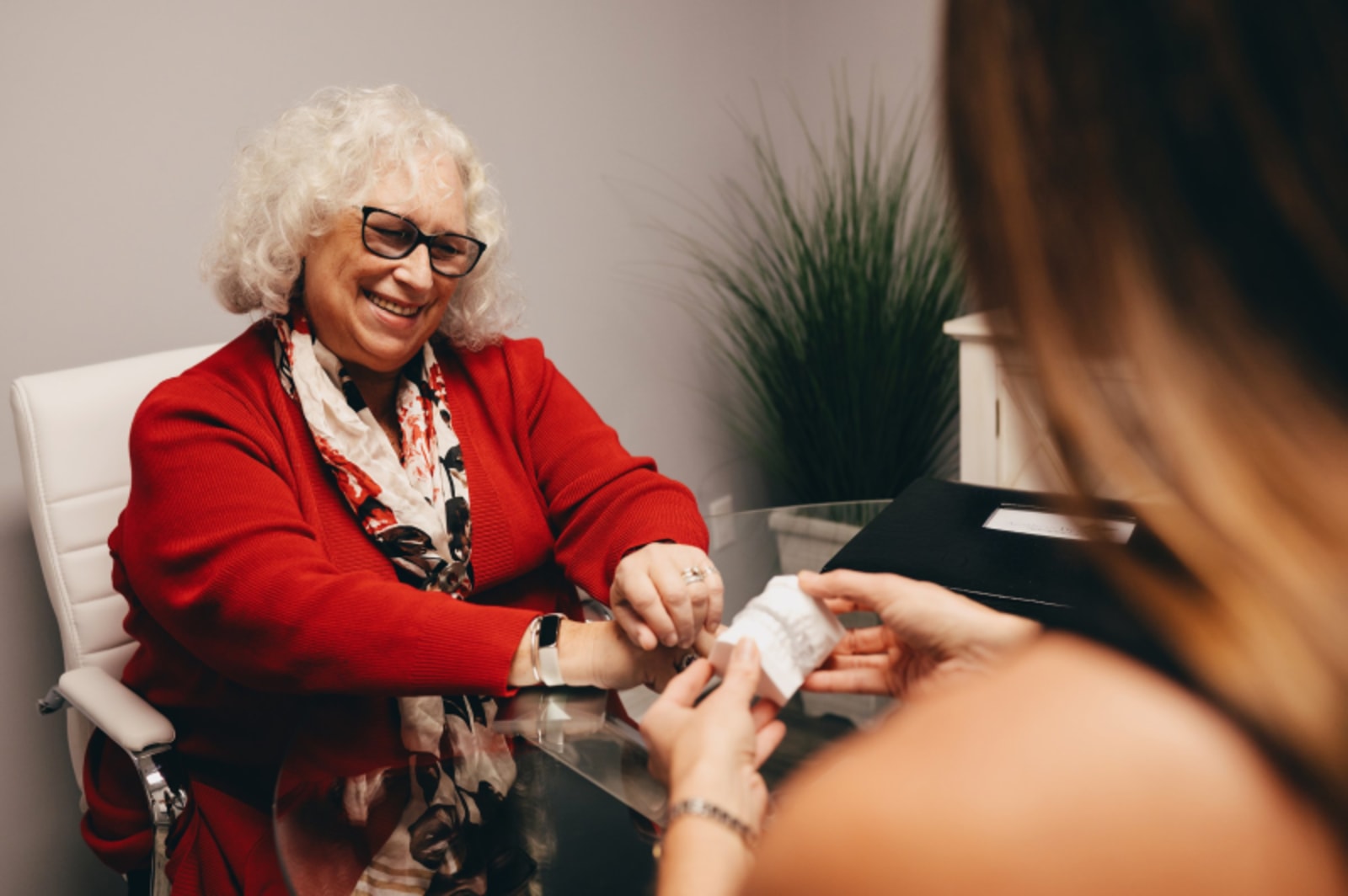
Getting the appliance is the start, not the finish. The first couple of weeks are usually an adjustment period. Some people notice tooth soreness, extra saliva, or a slightly odd bite feeling in the morning. These typically settle as your mouth adapts, and any morning bite oddness usually eases within an hour of taking it out.
Daily life with one is straightforward:
- Cleaning: Rinse and gently brush it each morning, and let it dry. A periodic deeper clean keeps it fresh.
- Storage: Keep it in its case, away from heat that could warp it and away from curious pets.
- Titration: Over the early weeks we'll fine-tune how far the jaw advances, nudging it bit by bit until your symptoms improve and you're still comfortable.
- Follow-up: Your physician may recommend a repeat sleep test, sometimes with the appliance in, to confirm it's controlling your apnea, not just the snoring.
Long term, the appliance gets checked at your regular visits for fit and wear, and we keep an eye on your bite, since holding the jaw forward nightly can shift tooth position slightly over years. Catching that early is simple, which is exactly why ongoing monitoring is part of the plan rather than an afterthought. A well-made appliance, cared for properly, lasts for years.
Why Treating Sleep Apnea Matters: The Whole-Body Health Connection
Snoring is the symptom most people notice first, usually because a partner notices it for them. But untreated apnea is a whole-body problem. Every time the airway closes, your body cycles through a low-oxygen event, and night after night those events pile up.
The research community has spent decades tying untreated sleep apnea to consequences that reach well past the bedroom:
- Cardiovascular strain: Repeated oxygen drops stress the heart and are linked to high blood pressure and related heart concerns.
- Metabolic disruption: Fragmented sleep interferes with the hormones that regulate blood sugar and appetite.
- Cognitive and mood effects: Missing deep sleep undercuts memory, focus, and emotional steadiness over time.
- Daytime safety: Persistent drowsiness raises the risk of accidents, including behind the wheel.
If you already invest in good nutrition, regular movement, and preventive care, sleep quality belongs on that same list. Treating apnea isn't about sleeping more quietly. It's about giving your body the conditions it needs to actually recover each night, which is a health investment that pays off far beyond comfort.
Cost, Insurance, and How to Take the Next Step
One of the first practical questions people ask is what this costs and whether insurance helps. The honest answer is that it depends on your diagnosis, the appliance, and your coverage, so the specifics are best reviewed during your consultation, where we'll go over your options and what to expect before you commit to anything.
A few things worth knowing as you plan:
- Oral appliance therapy for diagnosed sleep apnea is often handled through medical insurance rather than dental, since it treats a medical condition. That distinction can affect how a claim is processed.
- Coverage usually hinges on a documented diagnosis from a sleep study, which is one more reason to keep those records handy. Our patient center can help you organize what to bring.
- We're glad to talk through payment questions directly so cost isn't the thing that keeps you from getting answers.
If you're anywhere in Stuart or the wider Martin County area and you've been putting this off, this is a good moment to start. Bring your sleep study if you have one; it gives us a meaningful head start.
Dr. Amy Crary, Dr. Rebeca Viego, and Dr. Samantha Bogle and the team at Aesthetic Dentistry of Stuart see patients at our office on SE Ocean Boulevard, Monday through Thursday.
When you're ready to talk through what this means for you specifically, reach out to us or call us at (772) 463-4026.
Connect WITH US
We look forward to meeting you. Call (772) 463-4026 or request an appointment online to set up your first visit. We’ll be in touch soon.
