CPAP vs. Oral Appliance: Which Sleep Apnea Treatment Is Best?

CPAP vs. Oral Appliance Therapy: Which Sleep Apnea Treatment Is Right for You?
If you've recently been diagnosed with sleep apnea, or your provider has recommended treatment, you're probably comparing two common options: CPAP therapy and an oral appliance. Both are effective treatments for obstructive sleep apnea, but they work differently and aren't designed for the same situations.
At Aesthetic Dentistry of Stuart, Dr. Crary works with patients to understand their diagnosis, lifestyle, and treatment goals before recommending oral appliance therapy. The best choice is about finding the treatment you'll be able to use consistently.
Wondering which option might fit your situation? Keep reading as we compare how CPAP and oral appliance therapy work, who they're best suited for, and what to expect from each.
Quick Overview
- CPAP and oral appliance therapy are both recognized treatments for obstructive sleep apnea.
- CPAP is generally recommended for moderate to severe sleep apnea, while oral appliances are often an excellent option for many people with mild to moderate cases.
- Oral appliances are custom-made, comfortable to wear, and easy to travel with.
- A sleep study and professional evaluation are needed before either treatment is recommended.
- The right treatment depends on your diagnosis, anatomy, medical history, and personal needs.
How Each Treatment Works
Both CPAP therapy and oral appliance therapy are designed to keep your airway open while you sleep. The difference is how they accomplish that goal.
A CPAP (Continuous Positive Airway Pressure) machine delivers a steady stream of pressurized air through a mask worn over your nose, mouth, or both. That airflow helps prevent the airway from collapsing during sleep, reducing breathing interruptions throughout the night. CPAP is highly effective when used consistently and remains the standard treatment for many people with moderate to severe obstructive sleep apnea.
Oral appliance therapy works differently. Instead of using air pressure, it uses a custom-made appliance that gently positions your lower jaw slightly forward while you sleep. This helps keep the tongue and surrounding soft tissues from relaxing into the airway, allowing for more comfortable breathing throughout the night.
Because every appliance is custom fabricated, treatment involves more than simply receiving a device. Your appliance is designed specifically for your teeth and bite, then adjusted over time to balance comfort and effectiveness.
Some benefits of oral appliance therapy include:
- A custom fit based on your teeth and jaw
- Quiet, comfortable treatment without a mask or machine
- Easy portability for travel
- Simple nightly use and maintenance
Since oral appliances influence jaw position, it's also important that they're designed and monitored by a provider with experience evaluating jaw function and bite alignment.
The Quiet Nite CO2 laser procedure is another available option for addressing airway concerns. It targets tissues in the mouth and throat that can contribute to airway restriction and is often combined with oral appliances and myofunctional therapy.
Which Treatment Is Right for You?
Choosing between CPAP and an oral appliance isn't simply a matter of preference. The decision starts with understanding your diagnosis and the severity of your sleep apnea.
In general:
- Mild to moderate obstructive sleep apnea: Oral appliance therapy is often an effective first-line treatment.
- Moderate to severe obstructive sleep apnea: CPAP is frequently recommended because it provides continuous airway support throughout the night.
- People who cannot tolerate CPAP: Oral appliance therapy may provide an effective alternative when prescribed by your sleep physician.
Beyond the severity of sleep apnea, several other factors can influence which treatment makes the most sense, including:
- Your jaw position and bite
- Any history of TMJ or jaw discomfort
- Your airway anatomy
- Lifestyle considerations, such as frequent travel or work schedules
- How comfortable you're likely to be using the treatment consistently
One important point is worth emphasizing: treatment begins with a proper diagnosis. A sleep study provides the information needed to determine the severity of your condition and helps your healthcare team recommend the most appropriate therapy.
If oral appliance therapy is being considered, Dr. Crary will also evaluate your teeth, bite, and jaw joints to make sure the appliance can be worn comfortably and function as intended.
Who Is a Good Candidate for an Oral Appliance?
By the time someone starts looking into oral appliance therapy, they're usually asking a practical question: "Will this actually work for me?"
The answer depends on a few clinical factors, but many people are surprised to learn they're better candidates than they expected.
An oral appliance may be a good option if you:
- Have mild to moderate obstructive sleep apnea
- Have been diagnosed with severe sleep apnea but struggle to tolerate a CPAP machine
- Snore heavily because of airway obstruction
- Travel frequently and want a treatment that's easy to take with you
- Prefer a treatment that doesn't involve a mask, tubing, or electricity
The most important step is getting the right diagnosis first. A sleep study confirms whether you have sleep apnea and how severe it is. From there, your dentist can evaluate your bite, jaw position, and airway to determine whether an oral appliance is likely to be effective.
It's also worth knowing that treatment isn't always all or nothing. Some patients use an oral appliance on its own, while others use one alongside CPAP or as part of a broader treatment plan. The goal isn't to fit everyone into the same solution. It's to find the one you'll actually use consistently.
Living With CPAP: What to Expect
For many people, the biggest adjustment isn't being diagnosed with sleep apnea, but rather adapting to treatment. CPAP therapy is highly effective for many patients, particularly those with moderate to severe obstructive sleep apnea, but like any treatment, it comes with a learning curve.
The machine works by delivering a continuous flow of pressurized air through a mask, helping keep the airway open throughout the night. Success depends on using it consistently, which is why comfort and proper fitting are so important.
Some of the challenges people experience include:
- Finding a mask that fits comfortably without leaking
- Adjusting to the sensation of pressurized airflow
- Dry mouth or nasal congestion, which can often be improved with humidification
- Traveling with additional equipment and power supplies
- Getting used to wearing a mask throughout the night
Many people adapt well over time, especially with guidance from their sleep physician or equipment provider. Others continue to find CPAP difficult to tolerate despite trying different masks or pressure settings.
For those individuals, particularly people with mild to moderate obstructive sleep apnea, oral appliance therapy may be another treatment option worth discussing with their healthcare team, sometimes combined with myofunctional therapy or the Quiet Nite CO2 laser procedure, which treats tissues in the mouth and throat that can contribute to airway restriction. The best treatment is ultimately the one that's appropriate for your diagnosis and that you can use consistently.
What to Expect With an Oral Appliance
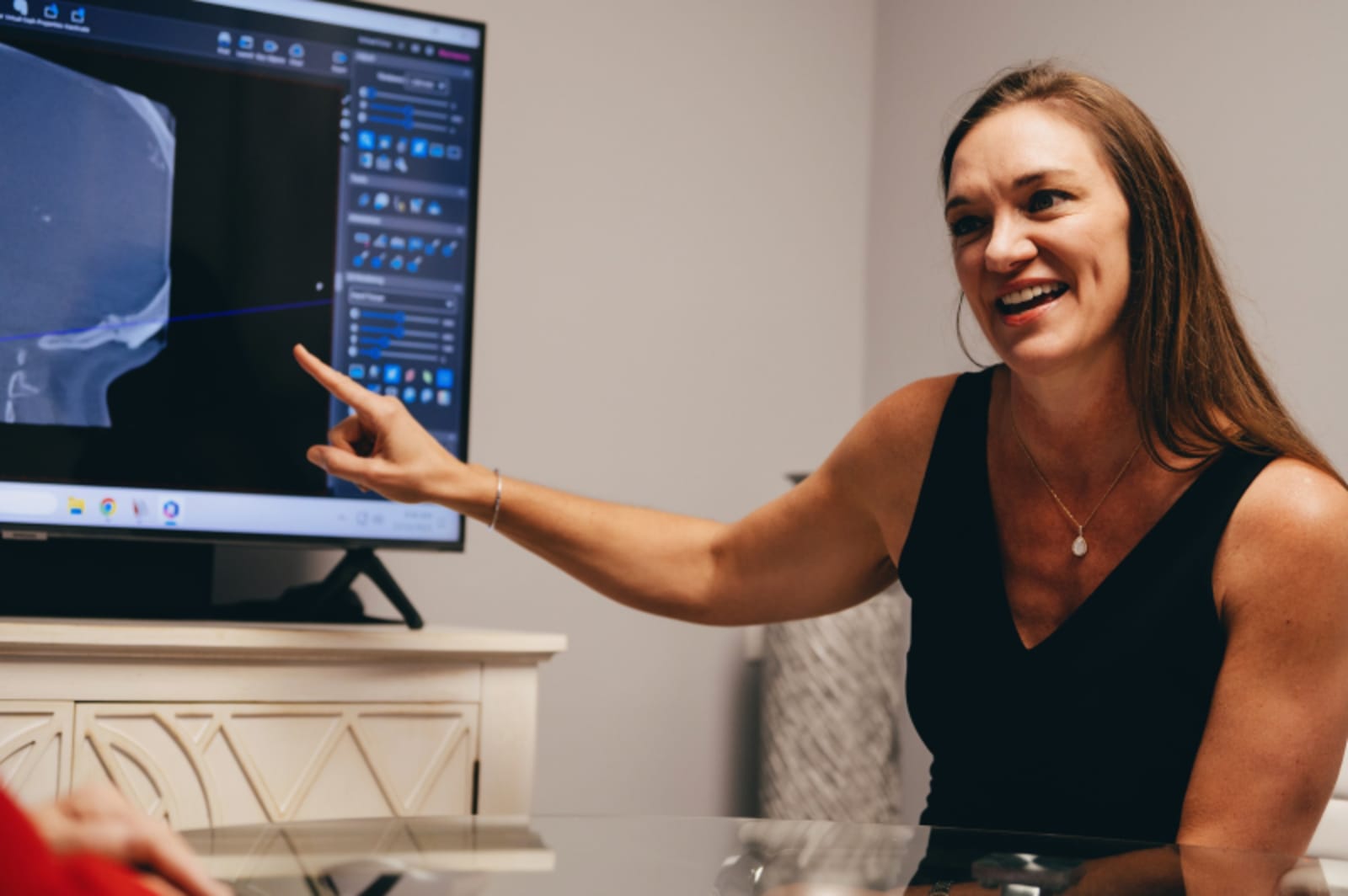
Oral appliance therapy begins with a comprehensive evaluation to determine whether it's an appropriate treatment for your sleep apnea. If it is, your dentist will take digital scans or impressions of your teeth so a custom appliance can be fabricated specifically for your bite.
Once your appliance is ready, you'll return for a fitting appointment where it's adjusted for comfort and positioned to help keep your airway open while you sleep.
Most people go through a brief adjustment period as they get used to sleeping with the appliance. Some temporary jaw soreness or tooth sensitivity can occur during the first few days, but these symptoms often improve as your muscles adapt. Follow-up visits allow your dentist to make small adjustments and ensure the appliance continues to fit comfortably and work effectively.
Many patients appreciate oral appliances because they're:
- Custom-made for a comfortable fit
- Small and easy to travel with
- Quiet, with no machine or tubing
- Simple to clean and maintain
Because oral appliance therapy affects both your airway and your bite, ongoing monitoring is an important part of treatment. Oral appliances are often combined with the Quiet Nite CO2 laser procedure and myofunctional therapy to treat tissues in the mouth and throat that can contribute to airway restriction. Regular follow-up appointments help ensure the appliance continues to fit properly while supporting your long-term oral health.
Comparing CPAP and Oral Appliance Therapy
Both CPAP and oral appliance therapy are effective treatments for obstructive sleep apnea. The differences often come down to how they fit into your daily life, your diagnosis, and which treatment you're most likely to use consistently.
Portability
An oral appliance fits in a small protective case and travels easily. CPAP equipment is larger and typically includes a machine, mask, tubing, power cord, and, in some cases, a humidifier.
Noise
CPAP machines produce a steady airflow sound while operating. Oral appliances are completely silent.
Daily Maintenance
Both treatments require routine cleaning. CPAP systems involve several components, while oral appliances consist of a single removable device that's cleaned much like a retainer or night guard.
Sleeping Comfort
Some people adjust quickly to sleeping with a CPAP mask, while others find an oral appliance feels less intrusive. Comfort is highly individual and often improves with proper fitting and follow-up care.
Travel
For people who travel frequently, oral appliances can be especially convenient because they require no electricity or additional equipment.
Long-Term Use
No treatment is effective unless it's used consistently. Finding an option that fits comfortably into your daily routine is an important part of long-term success, which is why treatment decisions should always be personalized rather than one-size-fits-all.
At Aesthetic Dentistry of Stuart, Dr. Crary works closely with patients to determine whether oral appliance therapy is an appropriate option based on their diagnosis, oral health, and overall treatment goals. For some people, it serves as a primary treatment. For others, it may complement a broader airway care plan that includes the Quiet Nite CO2 laser procedure, myofunctional therapy, or both, when appropriate.
Insurance, Cost, and What Most Patients Don't Think to Ask
Cost is an important part of choosing any sleep apnea treatment, but it isn't always as straightforward as people expect.
One thing that surprises many patients is that oral appliance therapy is often covered through medical insurance, not dental insurance. Because obstructive sleep apnea is a medical condition, the custom appliance prescribed to treat it may qualify under your medical benefits. Coverage varies, but it's worth checking before assuming you'll be paying entirely out of pocket.
CPAP therapy has its own financial considerations. Beyond the machine itself, there are ongoing costs for replacement masks, tubing, filters, and other supplies over time. An oral appliance is a custom-made device, so the cost structure is different, and the best value depends on your insurance coverage and treatment needs.
Before your consultation, consider asking questions like:
- Does my medical insurance cover oral appliance therapy?
- Can your team help verify my benefits before treatment begins?
- Are financing options available if I have out-of-pocket costs?
- What appointments are included from the initial consultation through the final fitting?
Having those answers upfront makes it much easier to compare your options with confidence instead of guessing what treatment might cost.
What Happens If Sleep Apnea Goes Untreated?
When most people think about sleep apnea, they think about snoring or waking up tired. Those are certainly common symptoms, but untreated sleep apnea can affect much more than your sleep.
Each time your airway closes during the night, your body briefly wakes itself to restart breathing. You may not remember those awakenings, but they interrupt the deep, restorative stages of sleep your brain and body rely on.
Over time, untreated obstructive sleep apnea has been associated with an increased risk of:
- High blood pressure
- Heart disease and stroke
- Type 2 diabetes
- Daytime fatigue and difficulty concentrating
- Mood changes and irritability
- Motor vehicle and workplace accidents caused by drowsiness
Not everyone experiences the same symptoms, and some people have significant sleep apnea without realizing it. A partner may notice loud snoring or pauses in breathing long before the person sleeping does.
The encouraging part is that sleep apnea is highly treatable once it's identified. Whether that treatment ends up being CPAP, an oral appliance, the Quiet Nite CO2 laser procedure, myofunctional therapy, lifestyle changes, or a combination of approaches, getting evaluated is the first step toward sleeping better and protecting your long-term health.
Can You Use Both? When a Combined Approach Makes Sense
Choosing between CPAP and an oral appliance isn't always an either-or decision. In some cases, the two treatments work well together.
For example, wearing an oral appliance may help keep the airway open enough that a sleep physician can lower the pressure on a CPAP machine. That can make CPAP more comfortable for people who've struggled with mask leaks, pressure, or general tolerance.
Other patients use different treatments at different stages of life. Health changes, weight changes, or new sleep study results can all influence which approach makes the most sense over time.
A Quiet Nite CO2 laser procedure is another option that may be part of a combined plan, often paired with an oral appliance and myofunctional therapy to treat tissues in the mouth and throat that can contribute to airway restriction.
The important takeaway is that treatment should be built around your diagnosis, anatomy, and lifestyle, not around a one-size-fits-all recommendation. That's why decisions are typically made in collaboration with your dentist and sleep physician after reviewing the full clinical picture.
Why the Provider You Choose Matters
An oral appliance may look simple, but fitting one correctly takes specialized training.
The goal isn't just to make a device that feels comfortable. It needs to position your jaw precisely enough to improve your airway while also protecting your bite, jaw joints, and long-term oral health. That's why follow-up appointments and periodic adjustments are such an important part of treatment.
This is especially relevant for people who already have jaw discomfort or TMJ concerns. Because oral appliance therapy changes jaw position during sleep, your provider should be able to monitor how your jaw responds and make adjustments if needed. A well-managed appliance should support your sleep without creating new problems elsewhere.
Experience matters here, not only during the initial fitting but throughout treatment as your needs change.
How Aesthetic Dentistry of Stuart Approaches Sleep Apnea Treatment
At Aesthetic Dentistry of Stuart, treatment begins with understanding why you're having trouble sleeping, not simply recommending the same solution for everyone.
After a confirmed sleep apnea diagnosis, Dr. Crary and Dr. Viego evaluate your airway, jaw, bite, and overall oral health to determine whether oral appliance therapy is an appropriate option. If it is, your appliance is custom-made for your mouth and adjusted over time to maximize both comfort and effectiveness. The Quiet Nite CO2 laser procedure and myofunctional therapy are also available and are often combined with oral appliances to treat tissues in the mouth and throat that can contribute to airway restriction.
Throughout treatment, the team coordinates with your sleep physician whenever appropriate, helping ensure your dental care supports your overall sleep health rather than existing separately from it.
If you're wondering whether an oral appliance could be a better fit than CPAP, or whether the two might work together, the best next step is simply a conversation. Call Aesthetic Dentistry of Stuart at (772) 463-4026 to schedule a consultation or ask any questions. There's no pressure to decide anything that day, just an opportunity to understand your options and what makes the most sense for you.
Connect WITH US
We look forward to meeting you. Call (772) 463-4026 or request an appointment online to set up your first visit. We’ll be in touch soon.
