Can Full-Mouth Reconstruction Fix Bite Problems and Jaw Pain?
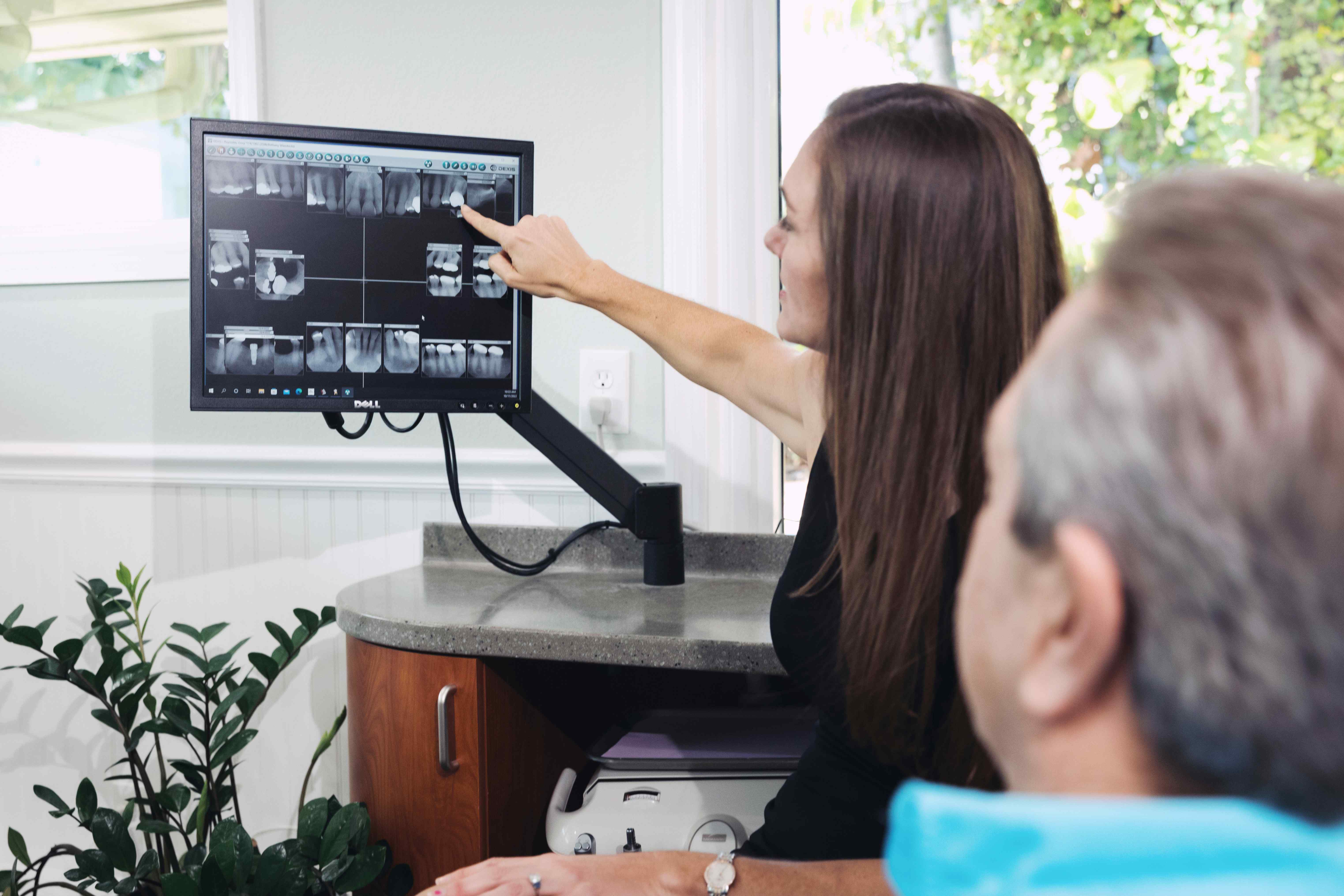

Jaw pain, headaches, and worn teeth often develop slowly. Many people adapt without realizing how much their bite has changed: Chewing on one side, avoiding certain foods, or waking up sore in the morning. Over time, these small adjustments can strain the jaw and muscles, leading to ongoing discomfort.
In many cases, these are signs that the bite is no longer functioning as it should. Full-mouth reconstruction is a procedure designed to address these problems at their source by restoring how the teeth, jaws, and muscles work together.
When planned carefully, this approach can not only give you a better-looking smile, but also relieve pain, improve function, and create long-term stability.
At Aesthetic Dentistry of Stuart, we take a thoughtful, system-wide approach to bite problems. The goal is always comfort first, with solutions built around long-term health rather than short-term fixes. Keep reading to learn more.
Quick Takeaways
- Bite alignment matters: An unstable bite can contribute to jaw pain, headaches, and muscle tension
- Whole-mouth approach: Full-mouth reconstruction treats the bite as a system, not individual teeth
- Customized care: Treatment is tailored using crowns, veneers, implants, orthodontics, or a combination
- Phased process: Care is completed in stages to allow healing and precise adjustments
- Meaningful relief: Many people experience lasting improvements in comfort, function, and confidence
What Is Full-Mouth Reconstruction?
Full-mouth reconstruction is a coordinated treatment plan that restores how the entire mouth functions. Rather than focusing on one tooth at a time, it looks at how your teeth fit together, how your jaw moves, and how wear or damage has affected your bite over time.
When teeth are severely worn, missing, or damaged, the jaw can lose proper support. This can force muscles and joints to compensate, often leading to pain. Reconstruction rebuilds tooth structure, restores proper bite height, and helps guide the jaw into a more comfortable position.
Each plan is customized. Some patients need crowns to rebuild worn teeth, others need implants to replace missing ones, and some benefit from orthodontics to improve alignment. What matters most is that every step works toward a stable, comfortable bite.
Our advanced diagnostic tools help guide this process so treatment decisions are based on how your bite actually functions.
Why Bite Problems Cause Jaw Pain and Headaches
Your jaw joints and teeth are closely connected. When your bite is even slightly off, the jaw muscles may stay tense as they try to compensate. Over time, this strain can show up as jaw soreness, clicking, headaches, or neck pain.
Worn teeth are a common contributor. As enamel wears down, the jaw closes more than it should, placing added pressure on the joints. Muscles may stay engaged throughout the day and night, especially in patients who clench or grind their teeth.
By restoring proper tooth height and alignment, full-mouth reconstruction helps the jaw settle into a more natural, relaxed position, often reducing pain and tension significantly.
Who Benefits Most from Full-Mouth Reconstruction?
This type of treatment is often recommended for people dealing with several connected issues rather than a single dental concern. Common situations include:
- Extensive tooth wear from grinding or clenching
- Multiple missing teeth that have affected bite balance
- Ongoing jaw pain, popping, or stiffness
- Bite problems that haven’t improved with isolated treatments
- Teeth that feel short, flat, or uncomfortable when chewing
Just as important as the dental condition is readiness for the process. Reconstruction takes time and planning, but for the right patient, the results can be life-changing.
How Bite Problems Are Evaluated and Corrected
A proper diagnosis is the foundation of successful treatment. Evaluation goes beyond a visual exam and includes digital imaging and bite analysis to understand how the jaw moves and where stress is occurring.
Treatment is typically completed in stages. Any active disease is addressed first, followed by rebuilding teeth in a carefully planned sequence. Temporary restorations are often used so patients can function comfortably while adjustments are made.
This gradual approach allows the bite to be refined as healing progresses, leading to more predictable and comfortable outcomes.
Bite Correction Surgery vs Dental Restoration
Many people worry that correcting a bite problem means surgery. In reality, many bite issues are caused by tooth wear or loss, not jaw bone position.
In these cases, rebuilding teeth to proper size and shape can restore balance without surgery. When skeletal alignment is more severe, surgical care may be recommended as part of a coordinated plan. Determining the right path starts with a thorough evaluation and honest discussion.
Treatment Options: Orthodontics vs. Full-Mouth Reconstruction
People with TMJ symptoms often wonder whether orthodontics, full-mouth reconstruction, or both are needed. The right approach depends on the condition of your teeth and the source of your bite issues:
- Orthodontics: This suffices when teeth are healthy but misaligned. Braces or Invisalign reposition teeth to improve bite function over time, preserving natural tooth structure and reducing bite-related strain.
- Full-mouth reconstruction: Typically recommended when teeth are worn, damaged, or missing. Rather than moving compromised teeth, this approach rebuilds them to proper size and position, restoring balance to the bite and easing stress on the jaw, often more efficiently.
In many cases, a combined approach offers the best results. Orthodontics may establish alignment first, followed by restorative care to refine the bite and improve long-term comfort and stability.
Understanding the Investment and Insurance Coverage for Full Mouth Reconstruction
Insurance coverage can vary, especially when treatment includes both functional and restorative elements. That’s why the team takes time to carefully review your benefits with you from your first appointment, explain what may be covered, and clarify what to expect before any decisions are made. Also, since full-mouth reconstructions are phased over time, the process can be more manageable.
For expenses beyond insurance, flexible financing options are available to help spread costs in a way that feels comfortable. At our practice, we strive to provide clear information so you can move forward with confidence when you’re ready.
Recovery and Adapting to Your New Bite
Recovery from full-mouth reconstruction varies based on the treatments involved, but most patients adapt more quickly than expected. Because care is completed in phases, healing is typically manageable and spread out over time.
Some mild soreness or sensitivity after appointments is normal and usually resolves within a few days. Most patients return to normal activities right away, with short-term guidelines like avoiding very hard or sticky foods when needed (usually for the first few days after each procedure). We provide clear aftercare instructions and are always available if questions come up.
The final adjustment period occurs once all restorations are in place. It may take a few weeks for your mouth to fully adapt to the new bite, and small refinements during follow-up visits help ensure everything feels natural and comfortable.
Caring for Your Restored Smile
Maintaining your new smile is simple and familiar. Good daily oral hygiene, regular cleanings, and routine exams help protect your restorations long term. If teeth grinding contributed to earlier damage, a custom night guard can help safeguard your results.
With proper care, a full-mouth reconstruction can last for many years, supporting not just your smile, but your comfort and confidence as well.
Frequently Asked Questions
Can full-mouth reconstruction fix severe overbite or underbite problems?
Yes. Full-mouth reconstruction can correct many bite alignment issues, including overbites and underbites, by rebuilding teeth to the proper size, shape, and position. In many cases, this improves jaw function and comfort without surgery. If the issue involves significant jaw bone misalignment, orthodontics or surgical care may be recommended as part of a comprehensive plan.
How long does the entire full-mouth reconstruction process take?
The timeline varies based on your needs, but most cases are completed over several months. Treatment is done in phases to allow healing and careful bite adjustments along the way. You’ll always have functional temporary restorations, so you’re never without teeth during the process.
Will my insurance cover full-mouth reconstruction procedures?
Coverage depends on your specific plan and the purpose of each procedure. Treatments that address pain, function, or oral health are often more likely to receive insurance benefits than cosmetic-only services. Our team works closely with your insurance provider to help maximize coverage and clearly explain costs before treatment begins.
Is full-mouth reconstruction painful?
Most patients report minimal discomfort. We use advanced anesthesia and offer sedation options to keep you comfortable. Some temporary sensitivity or soreness is normal after procedures and typically resolves within a few days. Our team is always available to support you throughout recovery.
What's the difference between porcelain veneers and crowns for bite correction?
Crowns cover the entire tooth and are ideal for teeth that are severely worn or damaged and need structural rebuilding. Veneers restore the front surface and are best for teeth that need minor reshaping or cosmetic enhancement. In full-mouth reconstruction, we often use a combination of both—choosing the most conservative option that still delivers lasting function and comfort.
Your Path to a Pain-Free Bite
For those living with jaw pain, headaches, or worn teeth, full-mouth reconstruction can provide relief that goes far beyond aesthetics.
At our practice, Dr. Amy and Dr. Bethany focus on thoughtful planning, clear communication, and care that’s tailored to each patient’s needs. If jaw pain or bite problems are affecting your quality of life, a comprehensive evaluation can help clarify your options.
To learn whether full-mouth reconstruction may be right for you, contact Aesthetic Dentistry of Stuart to schedule a consultation and take the first step toward a healthier, more comfortable smile.
Connect WITH US
We look forward to meeting you. Call (772) 463-4026 or request an appointment online to set up your first visit. We’ll be in touch soon.
