Best Age to Start Orthodontic Treatment for Kids & Teens


The Best Age to Start Orthodontic Treatment for Your Child
If you’ve noticed your young child has crowding, a crossbite, a shifting jaw, or teeth that don’t seem to be coming in correctly, this is a good time to have their development evaluated. You do not have to wait until all of their permanent teeth erupt, and you do not have to wait until something becomes a major problem.
The American Association of Orthodontists recommends that children have their first orthodontic evaluation by age 7. At Aesthetic Dentistry of Stuart, we believe this early look is an important part of helping children develop healthy, functional smiles. An evaluation gives us the opportunity to identify developing concerns while your child is still growing, when certain problems may be easier to correct or guide.
That does not mean every seven-year-old needs treatment, but rather that every child deserves the attention for their caregivers to find out if they are developing any orthodontic issue that would benefit from care before it gets more serious.
Dr. Amy Crary and Dr. Samantha Bogle, along with our team, can evaluate your child’s teeth, bite, jaw development, and overall oral growth and help you understand what makes sense for their individual situation.
Key Takeaways
- Every child should have an orthodontic evaluation by age 7. This is the age recommended by the American Association of Orthodontists because important developmental concerns can become visible while a child is still growing.
- Early evaluation does not automatically mean early treatment. Sometimes the right answer is to monitor development. When a problem is present, however, identifying it early gives us more opportunities to address it.
- Some orthodontic problems are much easier to correct during childhood growth. Depending on the issue, early treatment may help guide jaw development, create space for permanent teeth, correct crossbites, or improve the relationship between the upper and lower jaws.
- Waiting until the teen years can mean missing an important window for certain types of intervention. Once growth is further along, some problems may require more involved treatment.
- The goal of early orthodontics is not simply straighter teeth. We look at how the teeth, jaws, bite, and facial structures are developing together.
- Your child does not need to be in pain or have obviously crooked teeth to benefit from an evaluation. Many developing orthodontic problems are easier to identify on an examination than by looking at a child's smile at home.
Why We Recommend an Orthodontic Evaluation by Age 7

Age 7 is an important developmental milestone because children are typically beginning to have a combination of primary and permanent teeth. That gives us a valuable opportunity to see how the permanent teeth are developing and how the upper and lower jaws are coming together.
By this age, we may be able to identify problems that could become more difficult to manage if they are allowed to progress.
An early evaluation can help us look for concerns such as:
- Crossbites, where the upper teeth bite inside the lower teeth
- Significant crowding or a lack of space for permanent teeth
- Developing jaw discrepancies, including differences in the growth or position of the upper and lower jaws
- Teeth erupting in an abnormal position
- Missing or impacted permanent teeth
- Open bites or excessive overbites
- Jaw shifting or asymmetry when your child bites
- Oral habits, such as prolonged thumb or finger sucking, that may influence dental and facial development
- Airway-related patterns, such as persistent mouth breathing, that may warrant a closer look at how your child is developing
Some of these problems can be addressed more predictably while a child's jaws are still developing. That is one of the biggest reasons we do not recommend simply waiting for all of the permanent teeth to come in before looking at orthodontic development.
Early Evaluation Gives Us More Options
One of the biggest advantages of seeing a child early is having time. If we identify a developing orthodontic problem while the child is still young, we can determine whether it needs attention now, whether we should monitor it closely, or whether there are steps that can make future treatment easier.
That flexibility becomes especially important when a child has a problem involving jaw growth, tooth eruption, or the amount of space available for permanent teeth. For example, a significant crossbite may sometimes be corrected more effectively while a child's facial structures are still developing. Similarly, certain jaw discrepancies can benefit from growth modification or other early intervention that would be less effective once growth is further along.
Early treatment is therefore about more than getting a head start on braces. It is about taking advantage of development when development can work in our favor.
What Happens During an Early Orthodontic Evaluation?

An orthodontic evaluation is designed to give us a complete picture of how your child's mouth is developing. Depending on your child's age and individual needs, we may evaluate:
- The position and eruption of permanent teeth
- Available space and developing crowding
- The relationship between the upper and lower teeth
- Jaw growth and facial symmetry
- The way your child bites and moves their jaw
- Oral habits that may affect development
- Whether imaging or digital records would help us evaluate developing teeth and jaw structures
We are not simply looking for crooked teeth. We want to understand why the teeth are developing the way they are and whether the underlying growth pattern could create problems later. It's important to make a distinction, because a child can have relatively straight front teeth and still have a developing bite or jaw problem that deserves attention.
Does an Evaluation at Age 7 Mean My Child Needs Braces?
No, an evaluation and treatment are two different things. Some children will benefit from orthodontic intervention around this age. Others may need only observation and periodic evaluations. The important thing is knowing which situation applies to your child.
When we recommend early treatment, we want you to understand what we are treating, why timing matters, what we hope to accomplish, and what could happen if we wait. That conversation gives you the information you need to make a confident decision about your child's care.
And if we determine that your child would benefit from waiting, you have the reassurance of knowing that someone has actually evaluated their development rather than simply assuming they are too young for orthodontics.
When Early Orthodontic Treatment Can Make a Difference
There are several situations where addressing a problem while a child is still growing can provide meaningful advantages.
Correcting a crossbite
A crossbite can cause the upper and lower teeth to meet incorrectly. Depending on the cause and severity, early treatment may help correct the relationship before the developing bite becomes more established.
Guiding jaw development
Some children have differences in the way their upper and lower jaws are developing. When growth is still occurring, certain orthodontic approaches may be able to guide that development.
Creating space for permanent teeth
Significant crowding can make it difficult for permanent teeth to erupt into their proper positions. In some cases, early intervention can help create or preserve space and improve the conditions for those teeth to develop.
Addressing abnormal eruption
If a permanent tooth is developing or erupting in an unusual position, identifying the problem early can give us more opportunities to influence its path.
Addressing harmful oral habits
Persistent thumb sucking or certain oral habits can affect the developing teeth and jaws. Identifying these habits early gives families an opportunity to address them before their effects become more pronounced.
These are only examples. Whether early treatment is appropriate depends on the specific problem, your child's development, and the treatment options available.
Phase 1 and Phase 2 Orthodontic Treatment
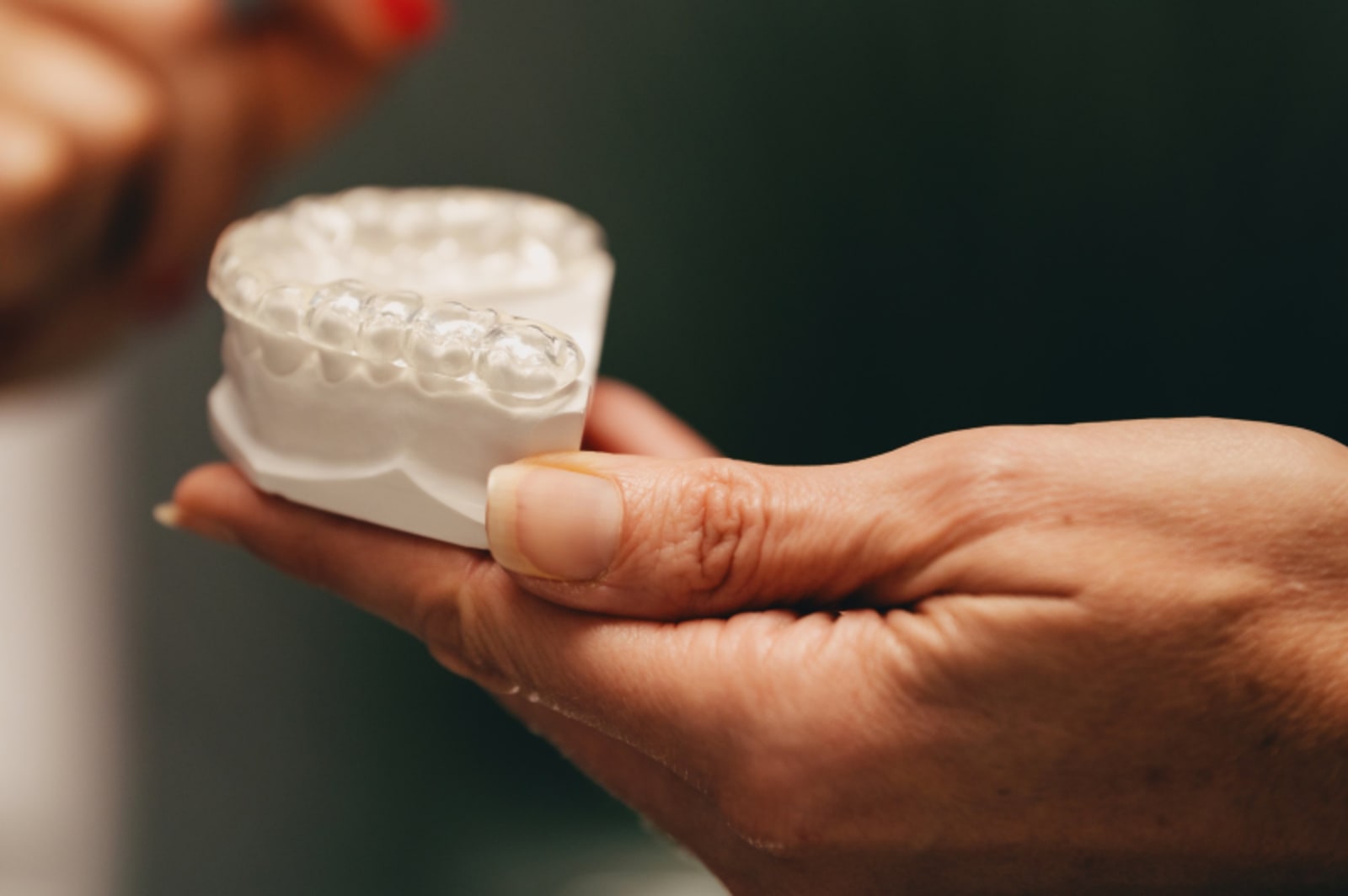
When a child needs orthodontic treatment while they are still growing, you may hear the terms Phase 1 and Phase 2.
Phase 1: Early orthodontic treatment
Phase 1 treatment takes place while a child still has a mixture of primary and permanent teeth. It is generally used when there is a specific developmental concern that benefits from being addressed before all of the permanent teeth erupt.
The goal may be to:
- Correct a developing bite problem
- Guide jaw development
- Create or maintain space for permanent teeth
- Improve the position of erupting teeth
- Address a problem that could become more difficult to correct later
Phase 1 is not simply "starting braces early." It is targeted treatment designed around a particular developmental need.
Phase 2: Comprehensive orthodontic treatment
Phase 2 treatment occurs later, when more of the permanent teeth have erupted. Depending on what was accomplished during Phase 1, this may involve comprehensive alignment of the teeth and refinement of the bite. Not every child who receives Phase 1 treatment will need the same amount of Phase 2 treatment, and the timing varies from child to child.
This is why an early evaluation matters. It allows us to identify whether your child has a problem that could benefit from intervention now and develop a plan around their growth rather than waiting for problems to become more established.
Signs Your Child May Need an Orthodontic Evaluation
Age 7 is our general recommendation for an initial evaluation, but you do not need to wait until then if you are already seeing something concerning.
Consider scheduling an evaluation before the child is 7 if you notice:
- Crowded or overlapping permanent teeth
- A noticeable overbite or underbite
- A crossbite
- Teeth that do not meet properly when your child bites
- A jaw that shifts to one side when biting
- Difficulty chewing or biting certain foods
- Mouth breathing
- Persistent thumb or digit sucking
- Permanent teeth erupting in unusual positions
- Baby teeth being lost significantly earlier or later than expected
- A noticeable difference between the two sides of your child's face or jaw
- A family history of significant orthodontic problems
You also do not need to diagnose anything before you bring them to a consultation. If something about your child's bite or developing smile looks unusual to you, a professional evaluation can provide a much clearer answer.
Why Waiting Until the Teen Years Can Be a Mistake
There is a common assumption that orthodontic treatment can simply wait until around age 12, when most of the permanent teeth have erupted. For some children, comprehensive treatment will indeed happen around that age. But using age 12 as the first time to look at orthodontic development can mean missing an opportunity to intervene earlier when a problem is present.
Some orthodontic concerns are influenced by growth. If we wait until the jaws are further developed, certain approaches that could have been considered earlier may no longer provide the same advantages.
That does not mean every child needs treatment before that, and it does not mean orthodontics cannot be successful for teenagers or adults. It means there is value in knowing what is happening while your child is still growing. An early evaluation gives you information. More importantly, it gives your child's orthodontic team time to act when action can be most helpful.
What If Your Child Is Already Over 7 and Hasn't Had an Evaluation?
If your child is already 8, 9, 10, or older and has never had an orthodontic evaluation, you have not missed your opportunity to help them. The age-7 recommendation is the ideal starting point for evaluation, but there is not a deadline for addressing any concern.
The important thing is to have your child's development assessed as soon as you can. An orthodontic evaluation can still identify problems that may benefit from treatment while your child is growing, and the appropriate timing will depend on what we find.
Even if your child is already approaching teenagehood, there are opportunities to address crowding, bite problems, jaw development, or the eruption of permanent teeth before growth is complete. Waiting longer simply gives us less time to identify and take advantage of those opportunities.
So if you're thinking, "We should have done this before," don't let that thought keep you from scheduling now. The best time to evaluate your child's orthodontic development is as soon as you realize they haven't been evaluated.
We'll look at where your child is at the moment, what is still developing, and whether there is anything we can do now that could make their future orthodontic treatment simpler or more predictable.
Early Orthodontics Is About More Than a Straight Smile
We care about how your child's smile looks, but orthodontics is also about how the teeth and jaws function together. The way your child bites, chews, and moves their jaw can all provide information about their developing oral structures. We also consider facial growth and the overall relationship between the teeth and jaws when determining whether intervention could be beneficial.
That broader perspective is why we encourage parents to think of an orthodontic evaluation as part of their child's overall dental development rather than something that only happens when braces are needed.
Give Your Child the Advantage of an Early Look
You do not have to wait until your child's teeth are severely crowded or their bite is obviously misaligned to ask about orthodontics.
By age 7, every child should have an orthodontic evaluation. For some children, the evaluation provides reassurance that development is progressing normally. For others, it identifies an opportunity to intervene while their jaws and teeth are still developing.
At Aesthetic Dentistry of Stuart, our goal is to identify those opportunities early and help you understand what they mean for your child. If treatment is appropriate, we can explain why timing matters and what we recommend. If monitoring is the better choice, you will know what we are watching and when we want to see your child again.
If your child is approaching their 7th birthday or you have already noticed something unusual about their teeth or bite, call us at (772) 463-4026 to schedule an orthodontic evaluation in Stuart. An early look can give your child more options for a healthy, functional smile as they grow.
Connect WITH US
We look forward to meeting you. Call (772) 463-4026 or request an appointment online to set up your first visit. We’ll be in touch soon.
